Judge Deals Blow to Trump Moves to Deport Pro-Palestinian Activists
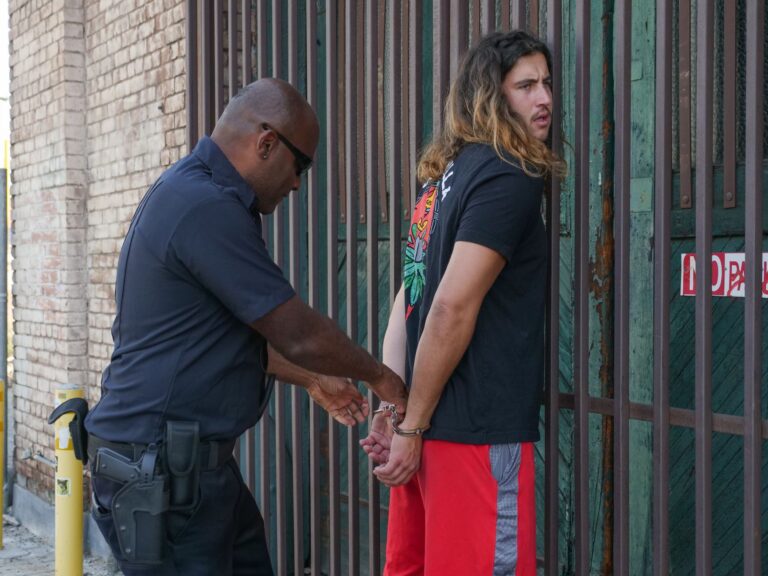
In a significant legal development, a federal judge has ruled that actions taken by the Trump administration to revoke visas and initiate deportation proceedings against noncitizen college students engaged in pro-Palestinian activities are unconstitutional. This ruling addresses concerns surrounding freedom of speech and equal protection under the law, particularly regarding the treatment of individuals expressing their political opinions.
The case arose from the actions of the former administration, which targeted several noncitizen students based on their vocal advocacy for Palestinian rights and their criticisms of Israeli policies. These students had participated in protests and organized events on college campuses to raise awareness about the Palestinian cause. The legal challenge was brought forth by a group of students who argued that the government’s moves were a direct violation of their First Amendment rights.
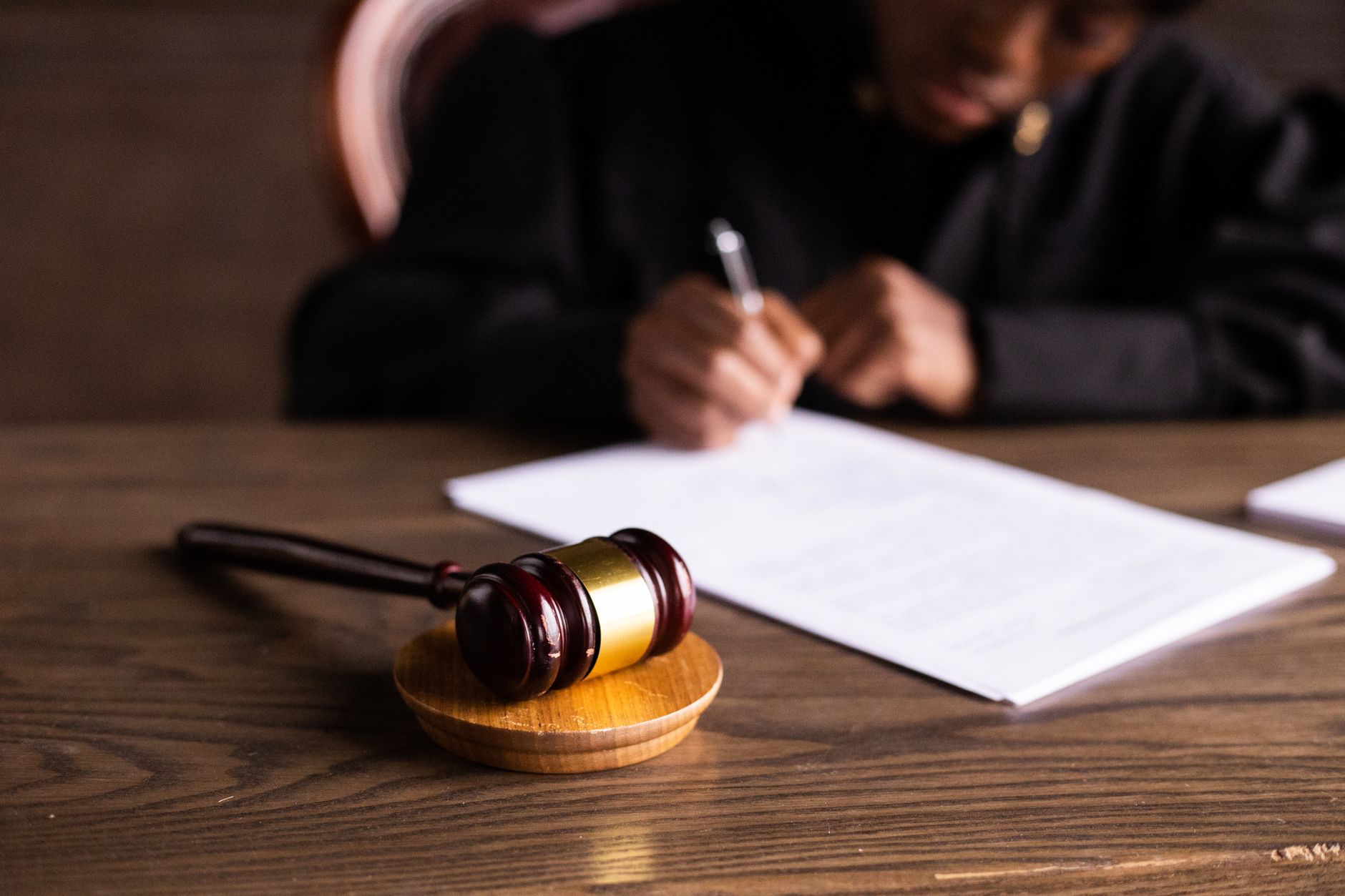
In her ruling, the judge emphasized that the government cannot penalize individuals for their political beliefs or activism. She stated that the laws invoked by the Trump administration to justify visa cancellations and deportations lacked a constitutional basis. The ruling highlights the importance of protecting free speech, particularly for marginalized communities who may face increased scrutiny for their political views.
The decision has been welcomed by various civil rights groups and advocates for free expression, who argue that the ruling underscores the necessity of safeguarding the rights of individuals to express their opinions without fear of retribution. They contend that the government should not interfere with the ability of students and activists to engage in political discourse, especially on issues as significant as international human rights.
Supporters of the ruling believe it sets a precedent that could protect not only pro-Palestinian activists but also a broader range of voices that may be marginalized or targeted for their political stances. They view this as a reaffirmation of the fundamental rights enshrined in the U.S. Constitution.
While the ruling is a significant victory for the students involved, it also raises questions about the broader implications for U.S. immigration policy and the treatment of noncitizens who engage in political activism. As the legal landscape continues to evolve, advocates emphasize the importance of holding the government accountable for actions that infringe upon civil liberties.
As the case may still be subject to further legal review, the implications of this ruling could resonate well beyond the immediate circumstances, potentially influencing how political expression is treated in the context of immigration and national security moving forward.