Trump Hints at Potential Military Action Against Iran
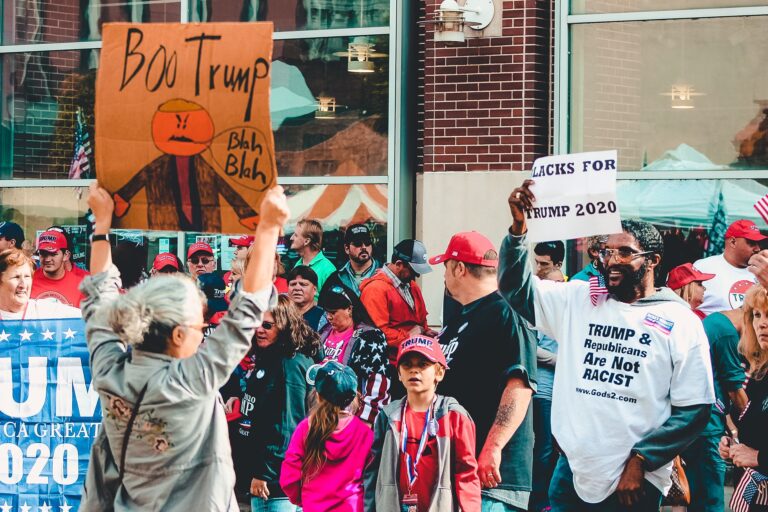
In a recent rally in Fort Myers, Florida, President Donald Trump suggested the possibility of the United States conducting another military operation against Iran. This statement comes as the ongoing conflict in the region approaches the eight-month mark, coinciding with rising fuel prices that could impact the upcoming midterm elections.
While addressing supporters, Trump referred to a potential operation as “another little Epic Fury,” a term associated with the U.S. military’s campaign against Iran. However, he did not provide specific details about what such an operation would entail or when it might occur.
The mention of a renewed military effort against Iran signals the administration’s continued focus on geopolitical tensions in the Middle East. This comes at a time when the U.S. public is increasingly concerned about the economic implications of foreign conflicts, particularly as fuel prices have surged dramatically in recent months. Such inflation is expected to resonate with voters as they head to the polls.
The term “Operation Epic Fury” has been used to describe U.S. military actions in Iran, but specifics regarding past operations and their outcomes have often been shrouded in secrecy. Trump’s comments have reignited discussions on U.S. foreign policy in the region, especially regarding how military engagements may influence domestic issues.
Critics of the President’s approach argue that escalating military operations could lead to further instability in the region and negatively affect U.S. relations with its allies. Conversely, proponents of a strong military stance assert that decisive action is necessary to deter Iranian aggression and support U.S. interests abroad.
In addition to the military implications, Trump’s remarks may also serve as a strategic move to rally his political base ahead of the midterms. With national security often being a pivotal issue for voters, emphasizing a strong stance against Iran could resonate with those prioritizing defense and foreign policy.
As the situation evolves, many are watching closely to see how the administration balances military action with the economic ramifications of rising fuel costs. The outcome may not only shape U.S.-Iran relations but also play a crucial role in determining the electoral landscape in the coming weeks.
With the midterm elections approaching, the focus on foreign policy, particularly regarding Iran, highlights the intersection of international affairs and domestic political considerations. As the rhetoric heats up, both supporters and opponents of military action will continue to engage in critical discussions about the best path forward for the United States in the complex geopolitical landscape of the Middle East.