German Chancellor Merz Maintains Positive Relations with Trump Amid Iran Conflict Concerns
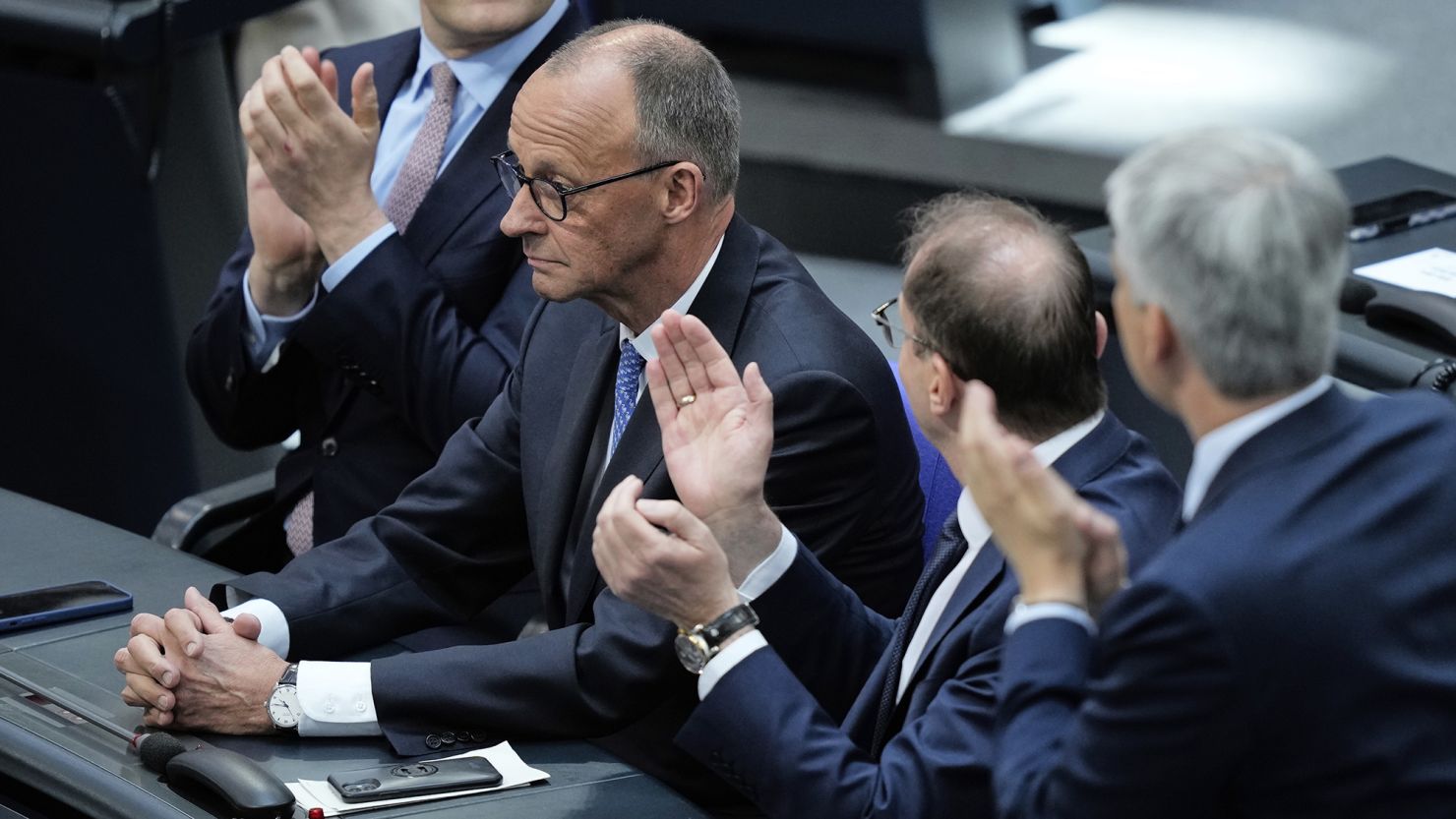
In a recent statement, German Chancellor Friedrich Merz emphasized that his relationship with U.S. President Donald Trump remains strong, despite a disagreement regarding the ongoing conflict in Iran. This assertion comes in the wake of rising tensions between the U.S. and Iran, which has sparked a broader debate among international leaders about the economic and geopolitical ramifications of the war.
During a press conference, Merz acknowledged the differences in perspective between the Trump administration and European NATO allies, particularly concerning Iran and the ongoing situation in Ukraine. While he expressed confidence in their personal rapport, he also highlighted his growing apprehension about the potential economic fallout from the conflict, which could impact both Germany and its allies.
The discord over Iran is indicative of a larger divide between U.S. foreign policy and the stances taken by various European nations. Merz’s remarks suggest that while the personal ties between leaders may be intact, the strategic alignments and policy decisions are still subject to significant debate and disagreement. The Chancellor’s concerns reflect a common sentiment among European leaders who are wary of the consequences of prolonged military engagements and escalating tensions in the Middle East.
Merz’s comments also underline the complexities of international diplomacy, particularly within NATO. As the alliance grapples with issues ranging from security to economic stability, differing opinions on how to manage relationships with countries like Iran and Russia can complicate collective action. The Chancellor’s reaffirmation of his relationship with Trump may signify an attempt to navigate these challenges while still advocating for Germany’s national interests.
The economic implications of the Iran conflict are particularly pressing for Germany, which has strong trade ties in the region. Any disruption caused by military actions or sanctions could have a ripple effect, impacting not only German businesses but also the broader European economy. Merz’s apprehension highlights the balance leaders must strike between maintaining alliances and addressing domestic economic concerns.
As the situation evolves, both Merz and Trump will need to consider the broader consequences of their policies, not just for their nations, but for global stability as well. While the personal dynamics between leaders can foster collaboration, the underlying issues at stake require ongoing dialogue and a willingness to engage with differing viewpoints. The future of German-American relations, particularly in the context of the Iran conflict, will depend on their ability to reconcile these differences while working towards shared objectives.