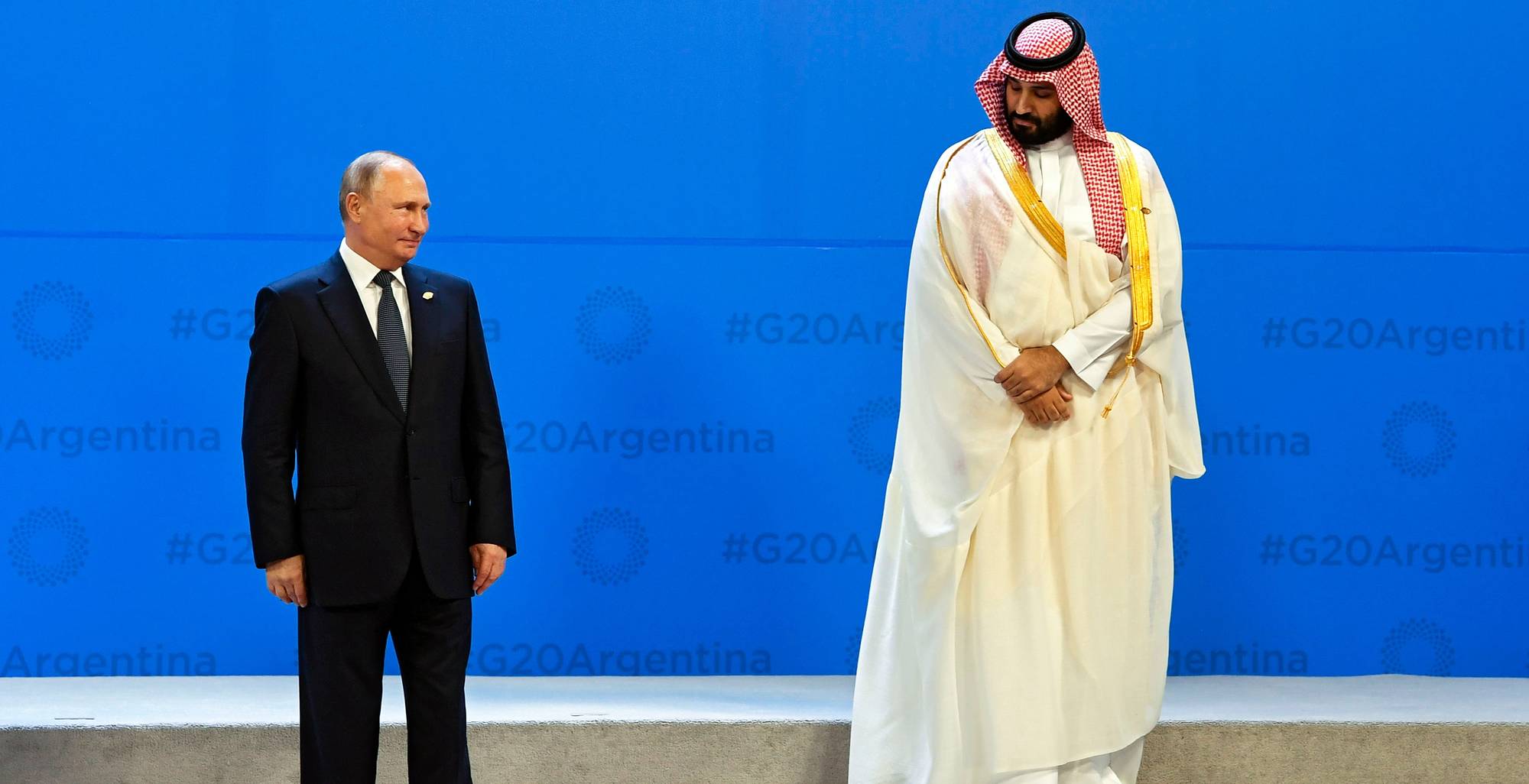
Russia Commits to OPEC+ Amid UAE Departure Concerns
In a recent announcement, Russian officials confirmed that the country intends to remain a member of the OPEC+ alliance, despite the United Arab Emirates (UAE) signaling its intention to withdraw from the group. The Kremlin expressed optimism that the collaboration among oil-producing nations would continue, even as the global energy market faces significant challenges.
The UAE’s decision, which was announced earlier this week, marks a critical shift within the organization. As the fourth-largest oil producer in OPEC+, the UAE’s exit raises questions about the future cohesion of the group, especially as tensions related to the ongoing conflict in Iran have exposed underlying divisions among Gulf states. The UAE’s departure could potentially weaken the collective bargaining power of OPEC+, which includes key players like Saudi Arabia and Russia.
Russia, currently the second-largest producer in OPEC+ after Saudi Arabia, has been a crucial ally in the coalition aimed at stabilizing global oil prices. The Kremlin’s commitment to stay in the alliance reflects a desire to maintain stability in a turbulent energy landscape, where fluctuating prices and geopolitical tensions have created uncertainty.
Experts believe that the dynamics within OPEC+ may shift as the group navigates the implications of the UAE’s departure. The UAE has traditionally played a significant role in shaping the policies and strategies of the coalition, and its exit could lead to a reevaluation of production quotas and other agreements among remaining members.
The ongoing energy crisis, exacerbated by the conflict in Iran, has prompted OPEC+ to make difficult decisions regarding production levels. The alliance has been navigating a delicate balance, seeking to meet rising global demand while also managing the impact of geopolitical factors on oil prices.
Russia’s determination to maintain its position within OPEC+ underscores the importance of collaboration among oil producers in addressing these challenges. The Kremlin’s hope is that despite the UAE’s exit, the remaining members will find common ground to ensure the continuity of the group’s objectives.
As the situation develops, analysts will be closely watching how the remaining OPEC+ members respond to the changes brought on by the UAE’s decision. The future of the alliance could hinge on its ability to adapt to the evolving landscape of the global energy market, which remains in a state of flux.
In conclusion, while the UAE’s departure poses challenges for OPEC+, Russia’s commitment to the alliance signals a continued effort to foster cooperation among oil-producing nations. The coming weeks will be pivotal in determining the path forward for OPEC+ amidst a backdrop of geopolitical tensions and market volatility.