German Fertilizer Producers and Farmers Face Challenges Amid Iran Conflict
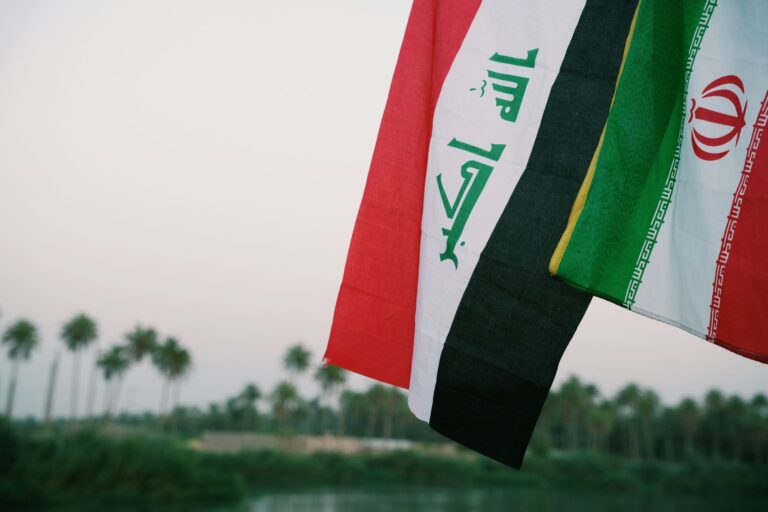
The ongoing conflict surrounding Iran’s closure of the Strait of Hormuz has sparked significant disruptions in the global supply chain, particularly affecting the fertilizer market. In Wittenberg, Germany, a town historically known for its role in the Protestant Reformation, local chemical manufacturers are grappling with the repercussions of these geopolitical tensions.
Wittenberg is home to a prominent chemical plant that has been operational since 1915. Originally established during World War I, the facility was designed to produce nitrogen for both fertilizers and explosives, circumventing blockades that disrupted the importation of essential raw materials from Chile. Today, this plant is once again at the forefront of a supply crisis, as the instability in the Middle East has made it increasingly difficult for German farmers to secure the fertilizers necessary for their crops.
The closure of the Strait of Hormuz, a critical maritime route for global oil and gas shipments, has led to significant price spikes and shortages in various commodities, including fertilizers. This has put immense pressure on farmers who rely on these products to sustain their agricultural output. With rising costs and limited availability, many in the agricultural sector are facing uncertain futures.
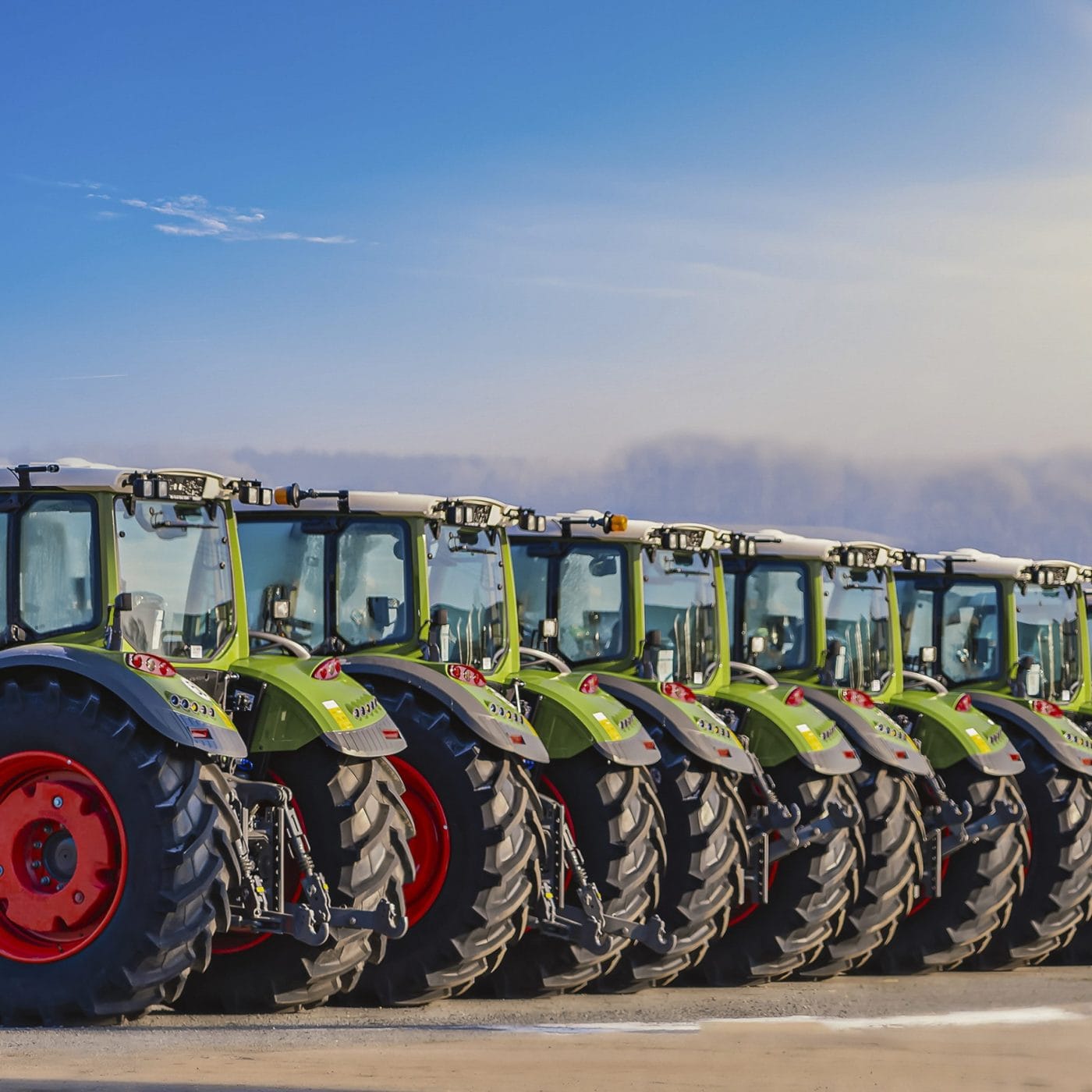
Local farmers in Wittenberg have expressed their concerns regarding the impact of the fertilizer shortage on their operations. The rising prices have forced some to reconsider their planting strategies, while others worry about the potential decline in crop yields due to insufficient nutrient supplies. The situation is particularly dire for smaller farms that may lack the financial flexibility to absorb such shocks.
In response to these challenges, the chemical plant in Wittenberg is working diligently to ramp up production and find alternative sources for raw materials. The management is exploring partnerships with other suppliers and investing in technologies that could enhance efficiency and reduce dependency on imported resources. They are also keeping a close eye on international developments that could further affect supply chains.
Experts suggest that the fertilizer shortage could have long-lasting implications for the agricultural industry, not just in Germany but globally. As countries navigate the complexities of international trade and geopolitical conflicts, the interconnectedness of supply chains is becoming increasingly apparent.
As the situation develops, both farmers and fertilizer manufacturers in Wittenberg are hopeful for a resolution that will stabilize the market and ensure a reliable supply of essential agricultural inputs. In the meantime, efforts to adapt and innovate are crucial for overcoming the challenges posed by the current geopolitical landscape.