Colorectal and Thyroid Cancer Risks Linked to Male Infertility
Research has unveiled a concerning connection between severe male infertility and an increased likelihood of developing thyroid and colorectal cancers. This association highlights the need for further investigation into the health implications for men facing fertility challenges.
Infertility affects approximately one in six individuals at some point in their lives, according to the World Health Organization (WHO). While previous studies have identified correlations between male infertility and various adverse health conditions, including cardiovascular diseases and diabetes, recent findings suggest that the risks may extend to certain non-reproductive cancers as well.
A study published in the *European Journal of Epidemiology* focused on a cohort of over 1.1 million Swedish men who became fathers between 1994 and 2014. Among them, 14,450 utilized intracytoplasmic sperm injection (ICSI), a technique often employed in cases of severe male infertility. By cross-referencing these individuals with the national cancer registry, researchers discovered that those who conceived through ICSI faced a significantly heightened risk of developing thyroid and colorectal cancers.
Dr. S. Adam Ramin, a board-certified urologist and medical director at Urology Cancer Specialists, commented on the findings, emphasizing that the study does not imply that ICSI causes cancer. Instead, it suggests that men with severe infertility, who require such advanced reproductive techniques, are at a greater risk for these cancers. The underlying reasons for this association may relate to genetic mutations that impact both reproductive health and cancer susceptibility.
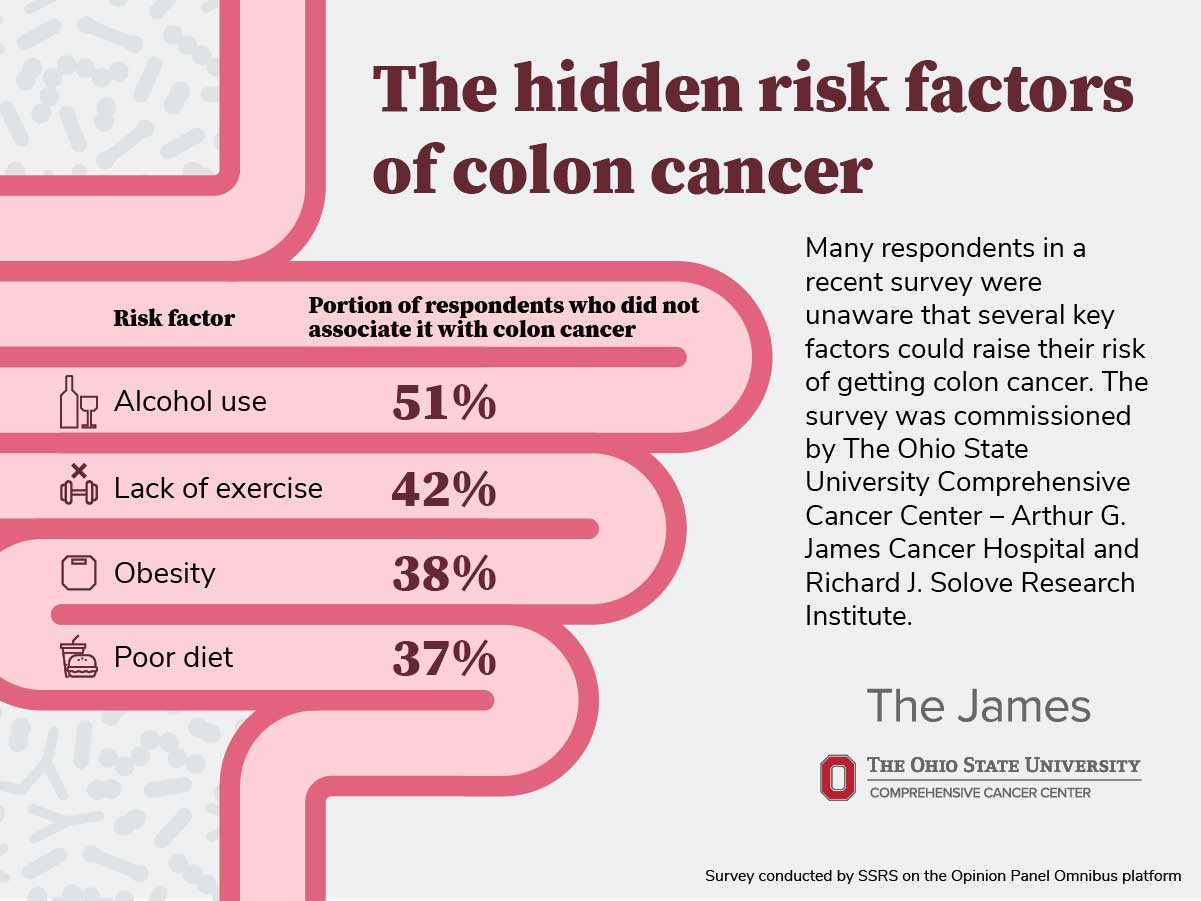
While genetic factors may play a crucial role, the study also noted that lifestyle choices could contribute to cancer risk. Factors such as smoking, excessive alcohol consumption, obesity, and a sedentary lifestyle are known to affect both reproductive function and overall health. Although the researchers noted that lifestyle data was not included in their analysis, the potential influence of these factors on cancer risk cannot be overlooked.
The implications of this research are significant, particularly for men seeking fertility treatment. With many individuals undergoing such treatments between the ages of 30 and 35, the study’s authors advocate for routine screenings for colorectal and thyroid cancers during fertility evaluations and follow-ups. Given the rising rates of these cancers among younger populations, early detection could be crucial for effective treatment.
Dr. Ramin advises that men can take proactive steps to reduce their cancer risk by adopting healthier lifestyles. This includes avoiding processed foods, maintaining a healthy weight, moderating alcohol intake, and refraining from smoking.
While a genetic predisposition to certain cancers does not guarantee their development, understanding the links between infertility and these health risks is essential for both individual and public health. As research continues, the focus on preventive measures and early screenings for at-risk populations may lead to improved health outcomes for men struggling with infertility.