New Ozempic Pill Offers Hope for Type 2 Diabetes Management
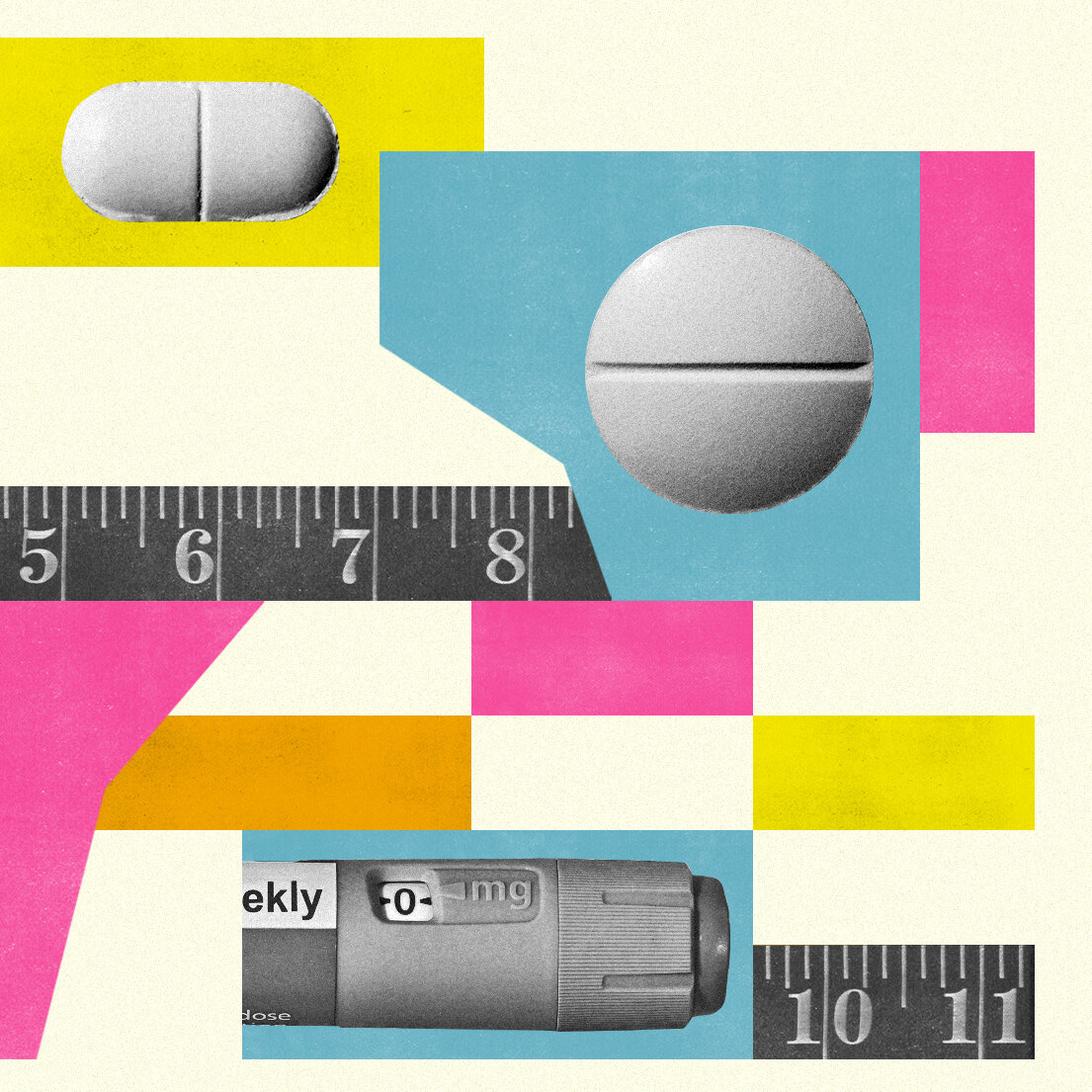
A new oral formulation of the popular GLP-1 medication Ozempic has been launched in the United States, providing a promising alternative for individuals living with type 2 diabetes. This innovative pill, which became available on May 4, is designed to offer a more convenient option for those who prefer not to administer weekly injections.
Novo Nordisk, the pharmaceutical company behind Ozempic, has reformulated its existing oral diabetes medication, Rybelsus, to create the new pill. While Rybelsus was approved by the FDA in 2019 and came in doses of 3 mg, 7 mg, and 14 mg, the Ozempic pill is available in smaller doses of 1.5 mg, 4 mg, and 9 mg. According to company officials, the new formulation maintains the same efficacy and safety profile as its predecessor, making it a viable option for patients.
The availability of the Ozempic pill is particularly significant as it provides an alternative for those who may be averse to needles. Dr. Pouya Shafipour, a family and obesity medicine physician, noted that many patients find injections daunting and may prefer the ease of taking a daily pill instead. This sentiment is echoed by Dr. Mir Ali, a bariatric surgeon, who pointed out that the pill’s brand recognition could further encourage its adoption.
To prescribe the Ozempic pill, individuals must have a diagnosis of type 2 diabetes and obtain a prescription from a healthcare provider. The medication will be accessible through more than 70,000 pharmacies across the country and is expected to be covered by most insurance plans, with costs starting as low as $25 for a three-month supply. For those who prefer not to go through insurance, the pills can be purchased directly from NovoCare Pharmacy or select telehealth services, at prices ranging from $149 to $299 per month, depending on the dose.
While the Ozempic pill is a promising development, it is important to note that it is not interchangeable with the injectable form. Patients are advised to consult their healthcare providers before making any changes to their medication regimen. Common side effects of both forms include abdominal pain, nausea, diarrhea, and constipation, and patients should be aware of these potential reactions.
Experts emphasize that, regardless of the form, GLP-1 medications are most effective when combined with healthy lifestyle choices, including a balanced diet and regular exercise. This comprehensive approach is crucial, as these medications work by suppressing appetite but do not independently facilitate weight loss or improve blood sugar levels.
As the landscape of diabetes treatment continues to evolve, the introduction of the Ozempic pill signifies a step forward in providing patients with more options to manage their condition effectively. With ongoing advancements in medication formulations, it is likely that additional oral GLP-1 medications will emerge, further enhancing treatment accessibility for those with type 2 diabetes.