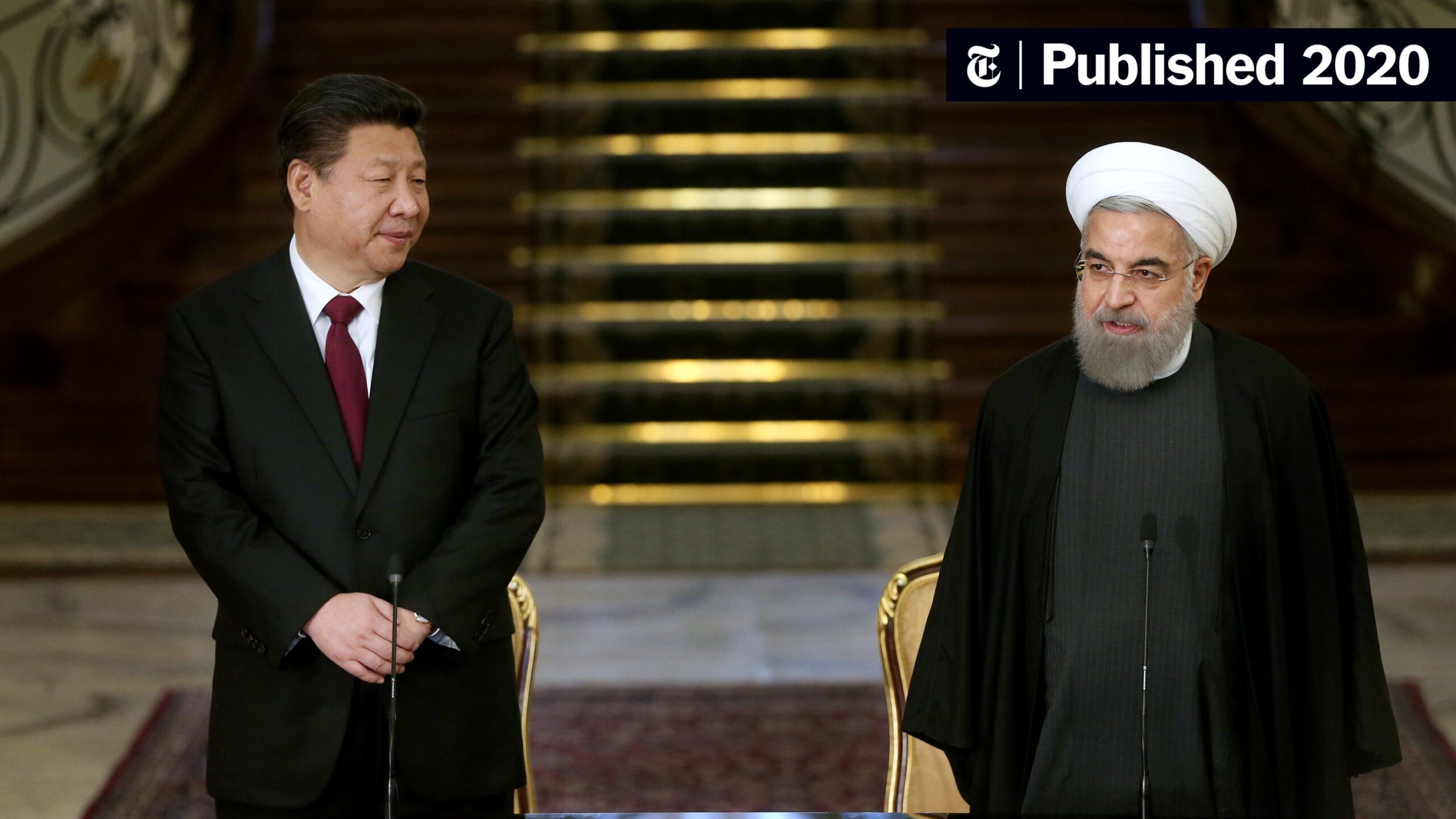
China Strengthens Ties with Iran Amid U.S. Blockade and Gulf Engagement
In a strategic maneuver aimed at navigating the complexities of the Middle East, China is bolstering its economic and diplomatic relations with Iran while simultaneously courting Gulf Arab nations. This dual approach allows Beijing to sustain its access to Iranian oil and secure vital maritime routes in the Strait of Hormuz, despite ongoing U.S. sanctions against Iran.
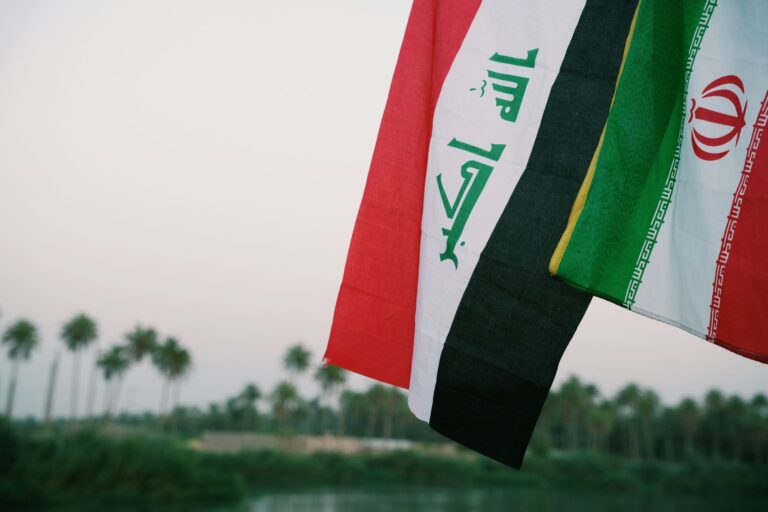
China has become a critical ally for Iran, especially in the face of increasing economic pressure from the United States. The Asian powerhouse is stepping in to ensure that Iranian oil continues to flow, which is vital for Tehran’s economy. Reports indicate that China’s imports of Iranian crude have remained robust, even as other countries have significantly reduced their purchases due to the threat of U.S. penalties.
In addition to its economic support, China is also enhancing its diplomatic footprint in the Gulf region. Recent engagements between Beijing and various Gulf states demonstrate a growing interest from these nations to forge closer ties with China. This trend is fueled by a desire for diversification in foreign relations and economic partnerships, particularly as Gulf countries look to reduce their historical dependence on the West.
China’s push into the Gulf is particularly notable given the geopolitical shifts occurring in the region. The Gulf states, traditionally aligned with the United States, are increasingly seeking to establish new alliances that could provide them with alternative sources of economic growth and security. As a result, they are turning to China, which is viewed as a rising global power with a willingness to invest in infrastructure and development projects.
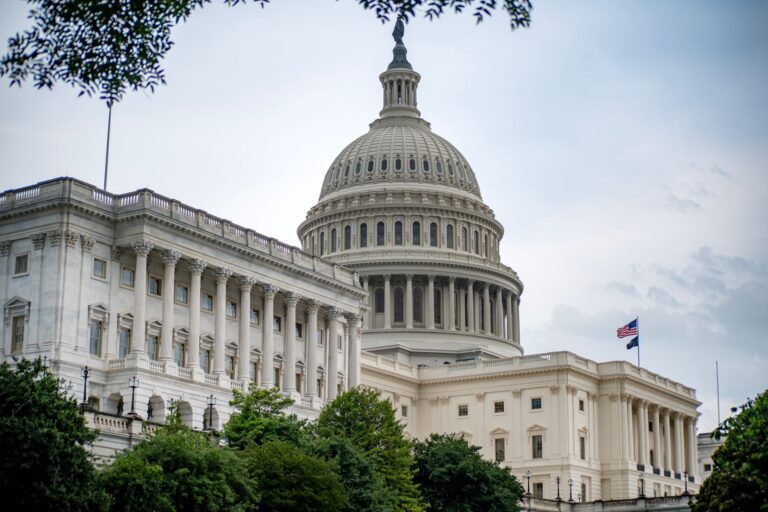
The deepening of Sino-Iranian ties, alongside China’s engagement with Gulf countries, positions Beijing as a significant player in the Middle Eastern geopolitical landscape. This evolving dynamic raises questions about the future of U.S. influence in the region, as well as the potential for increased tensions among the various powers involved.
Beijing’s strategy appears to be paying off, as it secures vital oil supplies while simultaneously providing a counterbalance to U.S. policies in the region. However, the delicate balance of these relationships could be tested in the future, particularly if tensions between the U.S. and Iran escalate further.
As both Iran and the Gulf states navigate their respective challenges, the role of China as a facilitator of economic and diplomatic ties will likely continue to grow. This trend reflects a broader shift in international relations, where traditional alliances are being reassessed and new partnerships are emerging. The implications of these developments will be significant for the future of the Middle East and its relationship with global powers.